01
Distance from hazards
Remote control is meant to keep people outside the immediate work zone while preserving their judgment.
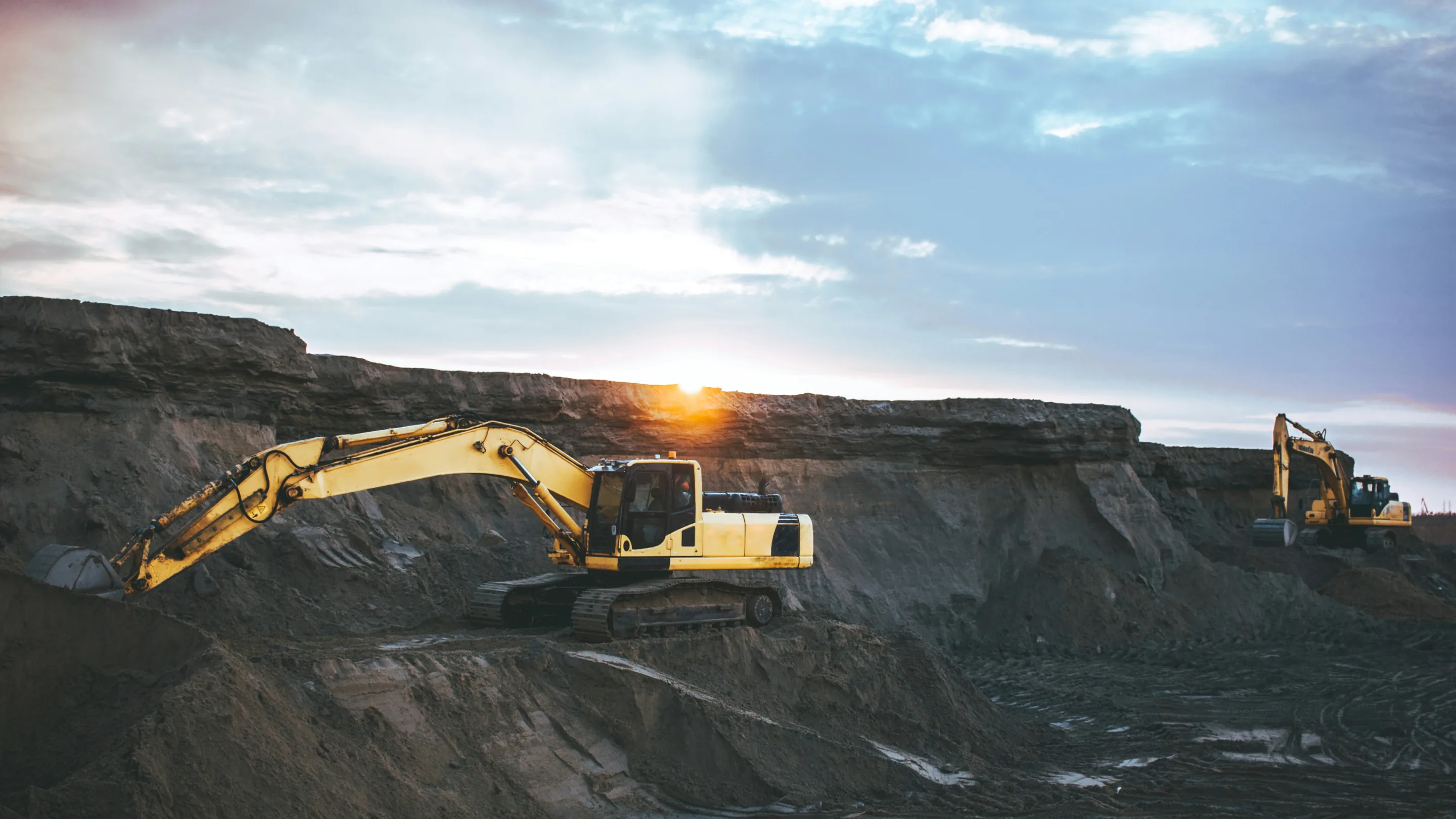
Harnec is an early-stage mineral company. We are developing an operating model built around teleoperation, mixed robotic fleets, and task-specific autonomy.
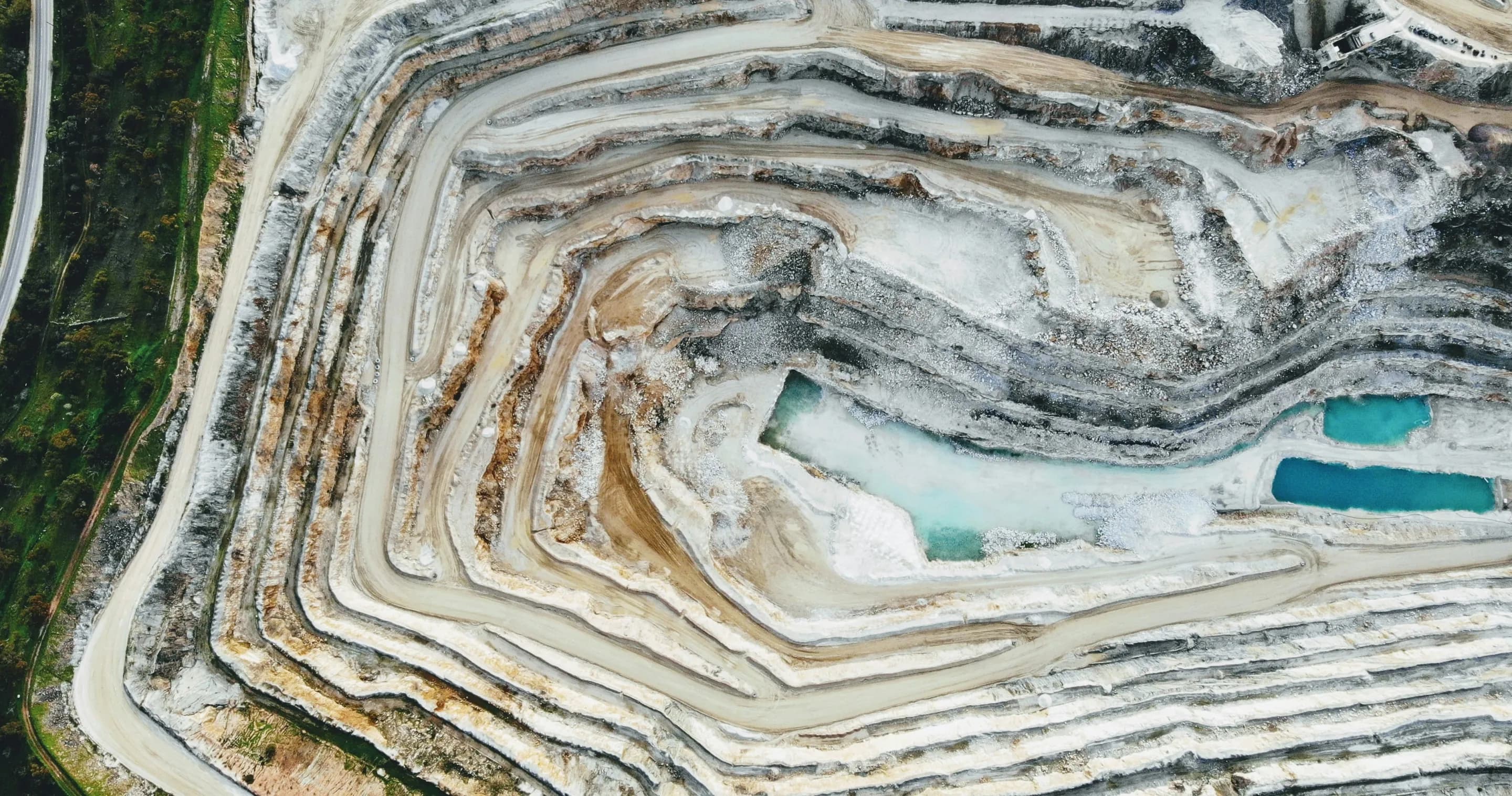
Operating premise / 01
Mining robotics is often framed as a choice: put a person in the cab or let the machine act alone. Harnec starts elsewhere. Remote operation keeps a person in command without requiring them to be beside the machine.
That changes how equipment is designed and how a fleet is run. Autonomy enters only when a task is narrow, its state is clear, and control can return to a person.
Concept / System architecture
Commands go to the work. Machine state and task records come back to the operator.
Operating loop / Concept 01
Human authority maintained
The operator controls the machine from outside the immediate work zone.
One interface brings together commands, machine state, and intervention.
Purpose-built robots and selected conventional equipment work as one system.
Each task leaves a record that can inform the next decision.
Design goals / Not measured results
01
Remote control is meant to keep people outside the immediate work zone while preserving their judgment.
02
A remote operating model could open the work to people who cannot spend every shift at a mine site.
03
Instrumented machines can make each task easier to observe, repeat, and review.
04
Records from one machine could help operators make better decisions across the fleet.
Present status / Explicit
Harnec has no active operation, deployed fleet, or commercial machine. The current work is to test the operating thesis and define what must be built first.